10 Easy Steps for Bahama Breeze Calypso Shrimp Recipe
First, gather your shrimp, scallops, linguini, and aromatics. You’ll want all your ingredients ready to go before you start cooking Bahama Breeze Calypso Shrimp. Boil salted water and cook linguini until al dente, reserving some pasta water for later.
Heat olive oil and butter in a skillet, then sauté garlic until fragrant. Add onions and peppers, seasoning lightly to bring out their natural sweetness. Cook the seafood until it turns opaque, signaling it’s perfectly done.
Next, combine the seafood with the pasta and pan juices. Add the reserved pasta water gradually to create a glossy, flavorful sauce that clings to every bite. Toss everything gently so the flavors meld beautifully.
Finally, garnish with fresh herbs and lemon wedges. Serve immediately to enjoy the vibrant, tropical taste of this Bahama Breeze Calypso Shrimp recipe. Keep going to master every flavorful detail!
Key Takeaways
- Sauté peeled shrimp and bay scallops in olive oil and butter with garlic, onions, and julienned peppers until they turn opaque and tender. This part smells amazing and really brings out the flavors.
- Cook linguini in well-salted boiling water until al dente. Don’t forget to save some of the pasta water before you drain it; you’ll need it later to help the sauce stick.
- Combine the cooked seafood and linguini back in the warm pot. Slowly add the reserved pasta water bit by bit to coat the pasta with a lovely sauce.
- Finish things off by stirring in a knob of butter or a drizzle of olive oil. This gives the sauce a nice glossy finish and balances the flavors perfectly.
- Garnish with fresh parsley, sliced green onions, and lemon wedges. Serve it immediately to enjoy the best texture and flavor.
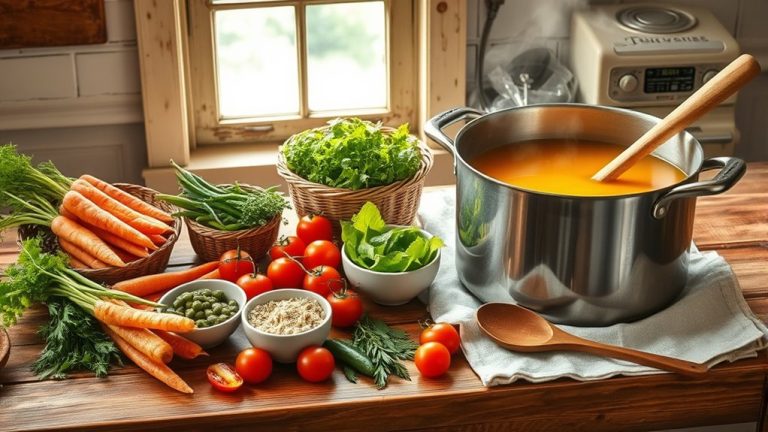
Gather All Ingredients and Equipment
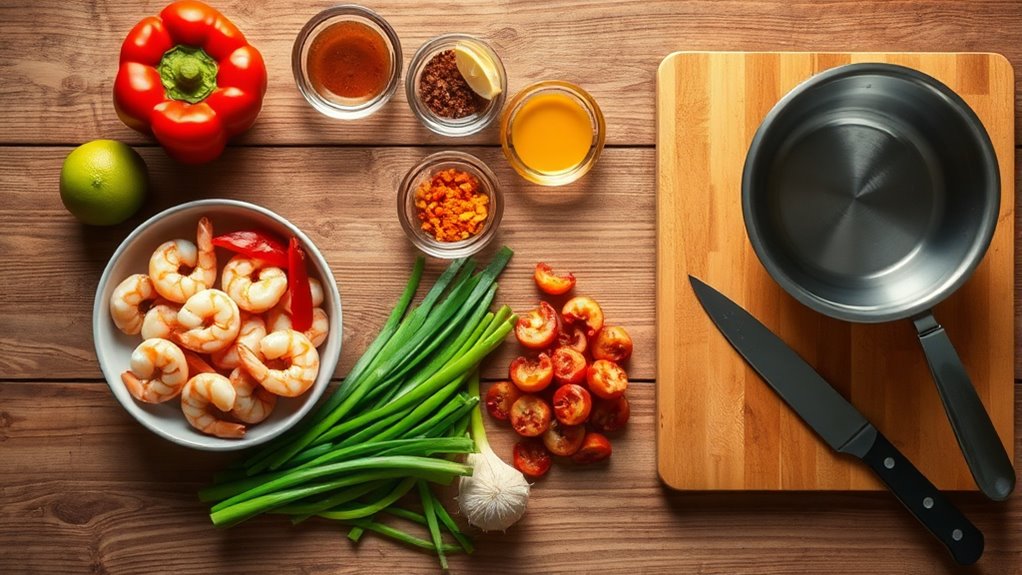
Before you begin cooking, gather all your ingredients and equipment to keep the process smooth and efficient. For the Calypso Shrimp, measure out 8–12 oz of peeled, deveined shrimp and an equal amount of bay scallops. Keep them refrigerated until just before cooking.
Grab 8–12 oz of linguini or your favorite pasta, and have a large pot ready with 4 quarts of salted boiling water for perfectly al dente pasta. Prepare your aromatics: 2–3 tbsp extra-virgin olive oil, 2 tbsp butter, 2–3 cloves minced garlic, a small diced onion, and 1–2 julienned peppers for sautéing.
Don’t forget seasonings like fresh ground sea salt, black pepper, and an optional bay leaf. Finally, set out your medium nonstick skillet, colander, spatula, warm plates, and serving items to complete your Calypso Shrimp setup. Easy peasy, right? Just having everything ready will make your cooking experience way more enjoyable!
Prepare the Linguini Pasta
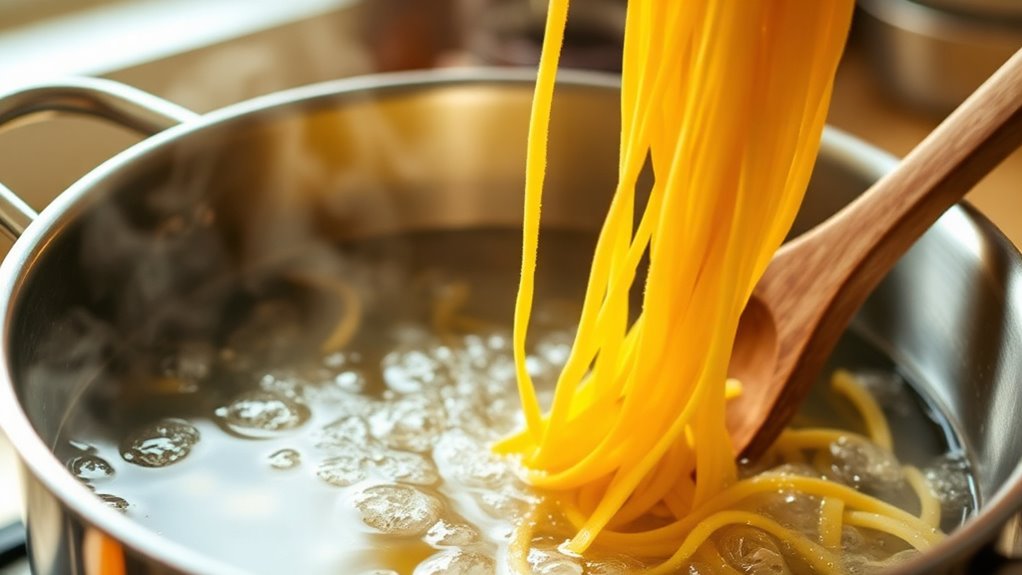
Start by bringing 4 quarts of well-salted water to a rolling boil in a large pot. Add the linguini and cook it according to the package directions until it’s al dente, usually 8 to 12 minutes.
Make sure to stir occasionally to keep the pasta from sticking and clumping as it cooks. It’s a simple step but really helps!
Boil Salty Water
With 4 quarts of water rolling in a large pot, add 1–2 tablespoons of coarse salt to season the linguini from the inside as it cooks. The salt enhances the pasta’s flavor, making every bite tasty.
Once the water reaches a full boil, add the linguini and stir immediately to prevent the strands from sticking together. Keep the boil gentle—vigorous boiling risks overflow.
This large pot guarantees the pasta has enough space to cook evenly. As the linguini softens, watch closely and test a strand 1–2 minutes before the shortest cooking time on the package.
Before draining, reserve half to one cup of the starchy cooking water; it’s perfect for adjusting your sauce’s consistency later when you toss it with the Calypso shrimp.
Cook Pasta Al Dente
Once your water is boiling and salted, add the linguini and stir right away to keep the strands from sticking. Use about 4 quarts of water per pound of pasta to give it plenty of room to cook evenly.
Add 1–2 tablespoons of coarse salt to season the pasta from within. Stir occasionally, especially during the first two minutes, to prevent clumping.
Follow the package instructions but start checking for doneness 1–2 minutes early; you want the linguini tender yet firm to the bite, or al dente. Before draining, reserve about a cup of the starchy pasta water.
This will help you adjust your sauce’s consistency and make it cling beautifully to the linguini in your Bahama Breeze Calypso Shrimp dish.
Heat Olive Oil and Butter in Skillet
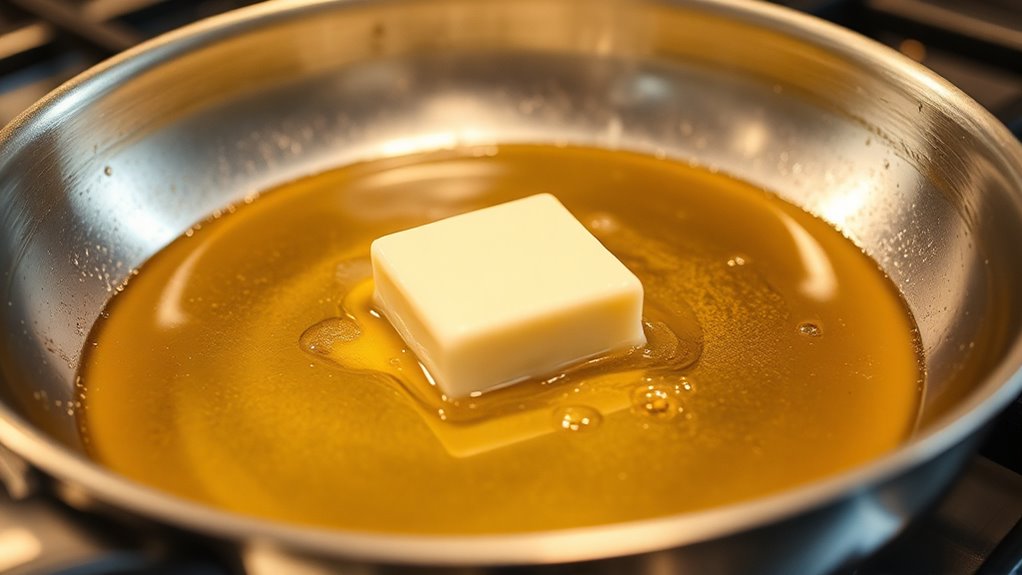
Warm up a medium nonstick skillet over medium heat for about 1 to 2 minutes. This helps the fats heat evenly without burning.
Once the skillet is ready, add 1 tablespoon of extra virgin olive oil and 1 tablespoon of butter. If you’re cooking a larger batch, just double those amounts.
Swirl the skillet gently so the butter melts completely and combines with the oil. This creates a nice, glossy base.
Keep the heat steady at medium while stirring gently. The goal is to emulsify the butter with the oil without letting it brown.
If you see the butter starting to brown or smoke, lower the heat right away to medium-low. You don’t want any bitter flavors creeping into your Calypso sauce.
When the mixture is warm and fragrant, you’re all set to move on to the next step. Easy, right?
Sauté Garlic Until Fragrant
Slide the minced garlic into the hot olive oil and butter mixture, keeping the heat at medium to coax out its aroma without burning. Stir constantly to prevent browning, cooking the garlic for just 30 to 60 seconds.
Watch closely for tiny bubbles and a light golden edge—this signals it’s fragrant and ready. Once you smell that delicious aroma, remove the pan from direct heat or immediately add the next ingredients to avoid bitterness.
For a balanced flavor, use 1–2 cloves for 2–3 servings or up to 4 cloves for a stronger garlicky punch. Remember, if you’re cooking onions or peppers alongside, start those first and add the garlic once they’ve softened slightly.
This helps prevent overcooking the garlic and keeps everything tasting just right.
Add and Cook Onions and Peppers
Toss the thinly sliced onion and bell pepper strips into the skillet after the garlic has softened for 1–2 minutes. Use one small onion and one bell pepper, both cut into thin strips (julienne) so they cook quickly and keep a tender-crisp texture like Bahama Breeze serves.
Sauté them over medium heat for 1–2 minutes, stirring often to avoid browning and to maintain their bright color and slight crunch. Lightly season with a pinch of fresh ground sea salt and black pepper to enhance the flavors.
If needed, remove the cooked onions and peppers briefly before adding the seafood. You’ll return them to the pan later to finish heating and blend the flavors perfectly with the shrimp and scallops.
Add Shrimp and Bay Scallops
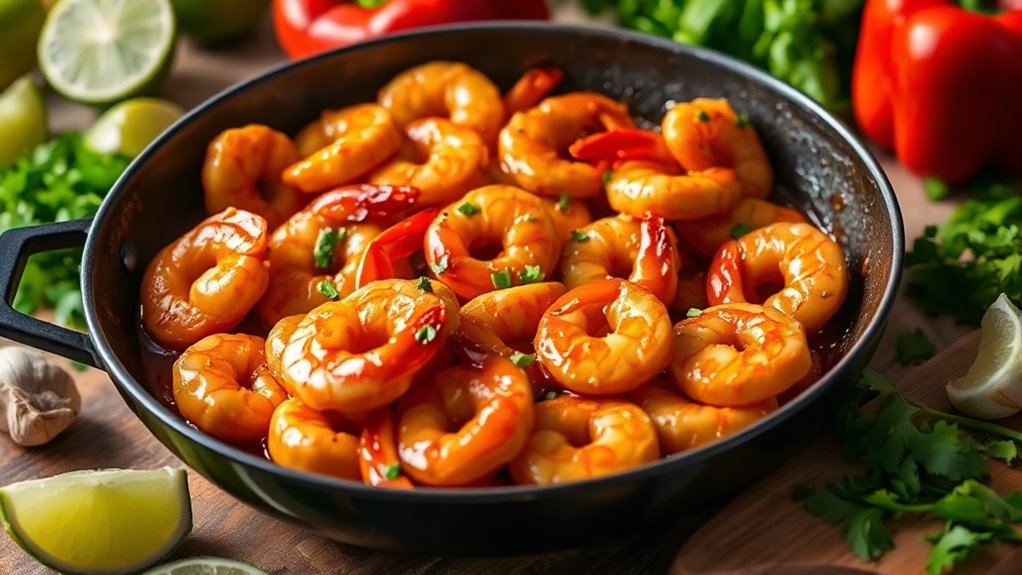
Add 1 to 1½ pounds of peeled shrimp and bay scallops to your hot skillet, spreading them out in a single layer to guarantee even cooking. Cook the seafood for 2 to 4 minutes, stirring occasionally until the shrimp turn opaque and pink, and the scallops firm and no longer translucent.
This makes sure they’re perfectly cooked without becoming rubbery. Once done, remove them from the skillet and keep them warm while you reduce the sauce. This step concentrates the flavors before you combine everything.
Later, you’ll return the seafood to the pan just to reheat and coat it with the finished sauce. This method locks in flavor and prepares the dish for tossing with linguini so the pasta soaks up all that delicious sauce.
Season With Salt and Pepper
You’ll want to season your shrimp and scallops lightly with salt and pepper to enhance their natural flavors without overpowering them. Balancing these seasonings carefully guarantees every bite is perfectly savory and aromatic.
Remember to taste as you go, adjusting gradually to keep the dish flavorful and fresh. Just take it slow, and you’ll nail the seasoning every time!
Importance of Proper Seasoning
Although it might seem simple, seasoning the shrimp and scallops properly with fresh ground sea salt and black pepper is essential to bring out their natural sweetness without overshadowing their delicate flavors. You’ll want to lightly season about 1/4 to 1/2 teaspoon of salt and a few grinds of pepper per pound before cooking.
This guarantees even flavor throughout. Don’t forget to add a pinch of salt to the pasta water, so the linguini complements the seafood and sauce.
After you reduce the sauce, taste and adjust seasoning because flavors concentrate during reduction. To avoid over-salting, use unsalted butter or reduce added salt if you’re using salted butter or broth.
Proper seasoning balances and highlights every ingredient in your Calypso shrimp dish perfectly. It really makes all the difference!
Balancing Salt and Pepper
Master balancing salt and pepper by tasting your cooking liquid frequently and seasoning gradually with small pinches of sea salt. After sautéing aromatics and adding seafood, add about 1/8 to 1/4 teaspoon of sea salt at a time until the sauce tastes bright but not overly salty.
Lightly season shrimp and scallops with a fine grind of black pepper—around 1/8 teaspoon per pound—before cooking. Keep in mind, pasta water is already salty (1–1.5 tablespoons kosher salt per 4 quarts), so under-season the sauce initially.
Finish seasoning after tossing pasta and seafood together. If the dish tastes flat, add a splash of lemon juice or white wine to balance salt. Temper excess salt with a pat of butter or pinch of sugar.
Keep salt and pepper nearby to adjust seasoning just before serving. It’s easier to add more than to fix over-salting, so go slow and taste often!
Cook Seafood Until Opaque
Cooking shrimp and scallops until they turn opaque is key to achieving the perfect texture and flavor. Cook shrimp over medium-high heat for 2–3 minutes per side and bay scallops for about 2–3 minutes total, depending on size.
Use an instant-read thermometer aiming for 120–125°F (49–52°C) for shrimp and 130–145°F (54–63°C) for scallops to avoid overcooking. Remove seafood promptly once it’s opaque and slightly springy, as residual heat continues cooking.
Keep these tips in mind: cook seafood in a single layer without crowding the pan to guarantee quick searing. Lightly season with salt and freshly ground black pepper during cooking.
And don’t forget to taste a piece to confirm it’s opaque with no translucent center before removing from heat.
Combine Pasta With Seafood Mixture
After draining the linguini to al dente, keep about half a cup of the pasta water aside to adjust the sauce. Return the pasta to the warm pot, then add the cooked shrimp and scallops with their pan juices.
Toss everything over low heat for 30–60 seconds, adding reserved pasta water a tablespoon at a time until the sauce coats the linguini perfectly. Stir in a knob of butter or a drizzle of extra virgin olive oil to create a glossy finish and help the sauce cling.
| Step | Action | Purpose |
|---|---|---|
| Reserve pasta water | Set aside ½ cup | Adjust sauce consistency |
| Combine ingredients | Add seafood mixture to pasta | Blend flavors and coat pasta |
| Toss & finish | Toss with butter or oil | Glossy finish and binding |
Garnish and Serve Immediately
You’ll want to garnish your dish with colorful bell pepper strips and sliced green onions to highlight its tropical vibe. A light drizzle of olive oil or melted butter adds a silky finish that makes the seafood shine.
Serve immediately on warm plates to keep the pasta al dente and the shrimp juicy. This way, every bite tastes fresh and delicious.
Garnish Choices
How can you elevate the look and flavor of your Calypso Shrimp in the final moments before serving? Choosing the right garnishes adds vibrant color, aroma, and freshness, making your dish truly pop. Here’s what you should consider:
- Julienne strips of red or yellow bell pepper add a crisp texture and striking color contrast.
- Thinly sliced green onion tops lend a mild onion aroma and a bright green accent.
- A light sprinkle of chopped fresh parsley or cilantro brings herbaceous freshness that complements the seafood perfectly.
Don’t forget to finish with a quick grind of black pepper and a pinch of sea salt to boost flavor. Serve immediately on warm plates, ensuring garnishes stay crisp and vibrant.
And hey, include a lemon wedge for an optional zesty squeeze—it really brightens things up!
Serving Suggestions
To bring your Calypso Shrimp to the table at its best, garnish each warm plate with colorful bell pepper strips and sliced green onions for a bright, fresh look. Drizzle about a teaspoon of extra virgin olive oil or melted butter to add sheen and keep the pasta moist.
Add a lemon or lime wedge to squeeze over the shrimp, enhancing the tropical flavors. Serve immediately on warm plates to maintain creamy texture and safe seafood temperature.
Pair the dish with soft garlic buns and chilled Moscato to complete the experience.
| Element | Purpose | Tip |
|---|---|---|
| Bell pepper strips | Visual appeal, freshness | Julienne for uniformity |
| Green onions | Brightness, contrast | Use sliced tops only |
| Olive oil/butter | Moisture, sheen | Light drizzle (~1 tsp) |
| Citrus wedge | Flavor lift | Squeeze just before eating |
| Serving temp | Texture, safety | Serve on warmed plates |
Frequently Asked Questions
Can I Use Frozen Shrimp and Scallops for This Recipe?
Yes, you can use frozen shrimp and scallops for this recipe. Just make sure to thaw them completely and pat them dry before cooking.
This helps avoid excess moisture and guarantees they cook evenly and taste great. Easy, right?
What Is the Best Type of Linguine for This Dish?
You’ll want to use fresh or dried linguine made from durum wheat semolina for the best texture. It holds sauce well and complements seafood nicely.
Avoid whole wheat or flavored varieties to keep flavors balanced. They can overpower the dish, and we want the seafood to shine here.
How Do I Prevent Shrimp From Becoming Rubbery?
Like a tightrope walker, you need perfect timing—don’t overcook shrimp!
Sear them quickly on high heat until just pink and opaque.
Pull them off the heat immediately; they’ll stay tender and juicy, not rubbery.
Can I Substitute Bell Peppers With Other Vegetables?
Yes, you can substitute bell peppers with vegetables like zucchini, snap peas, or carrots. Just pick ones that cook quickly and have a similar crunch.
This way, you keep the dish balanced and flavorful without losing texture. It’s all about finding the right veggie that fits the vibe of your recipe.
Is There a Recommended Wine Pairing for This Meal?
You’ll want a crisp, invigorating white wine like Sauvignon Blanc or Pinot Grigio to complement the shrimp’s citrusy, spicy flavors.
These wines won’t overpower the dish and will enhance its vibrant, tropical notes perfectly. They’re just the right match to keep things fresh and lively.
Conclusion
Now that you’ve mastered this Bahama Breeze Calypso Shrimp recipe, you’re ready to impress with vibrant flavors in just minutes. Did you know shrimp is one of the most popular seafood choices in the U.S.? Americans consume over 1.3 billion pounds annually!
That means your delicious dish is joining a beloved tradition. So grab your fork, dig in, and enjoy the taste of the islands right at home—easy, fresh, and unforgettable! With this simple recipe, you can bring the tropical vibe of Bahama Breeze Calypso Shrimp straight to your kitchen. It’s perfect for a quick weeknight meal or a fun dinner with friends. Enjoy the burst of flavor and the ease of preparing this shrimp dish that’s sure to become a favorite!