How to Cook Autumn Frost Squash Recipe
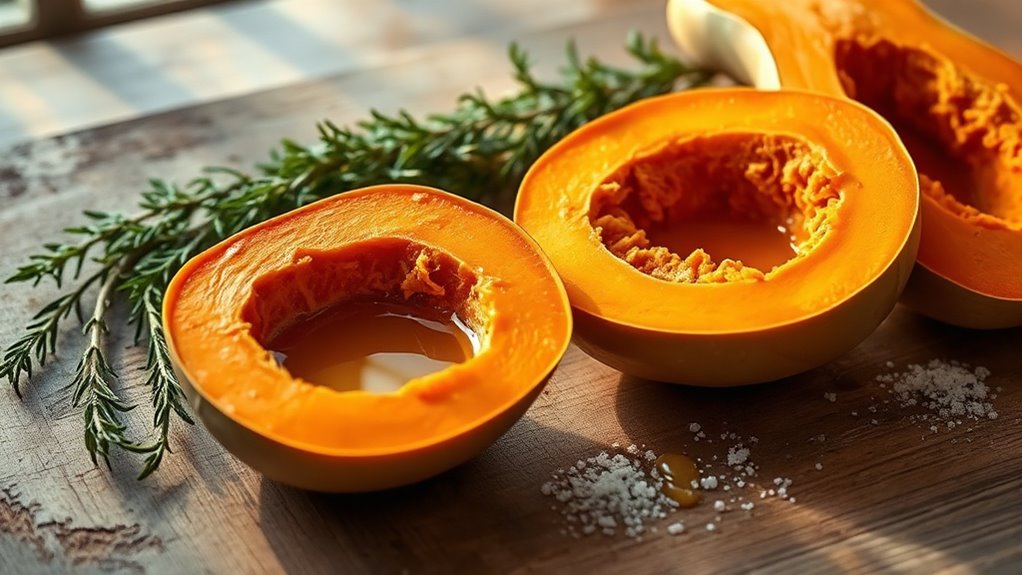
Choose a medium Autumn Frost squash with firm, matte skin and a dry stem. This type of squash is perfect for roasting because it holds up well and has a sweet, nutty flavor. Cut it lengthwise, scoop out the seeds, and place the cut side down on a rimmed pan.
Roast at 425°F for 30–40 minutes until tender and caramelized. You can also toss cubes with olive oil, salt, and herbs before roasting for extra flavor. Once cooked, scoop out the rich, creamy flesh to use in soups, sides, or pasta dishes.
Keep going to discover tips for seasoning, storing, and creative serving ideas that make the most of this delicious autumn vegetable. It’s a simple yet versatile recipe that brings warmth and comfort to any meal.
Key Takeaways
- Preheat your oven to 425°F. Cut the Autumn Frost squash in half lengthwise and scoop out the seeds to get it ready for roasting.
- Place the squash halves cut-side down on a rimmed baking sheet. Roast them for about 30 to 40 minutes until they’re tender and nicely caramelized.
- To check if it’s done, just pierce the flesh with a fork. It should be soft, flaky, and easy to pierce through.
- You can season the roasted squash with olive oil, salt, and pepper. Or, if you prefer a sweeter touch, try maple syrup and cinnamon—either before or after roasting.
- Once cooked, scoop out the flesh. It’s great for mashing, pureeing, or stirring into pasta, soups, or baked dishes.
- If you have leftovers, freeze them in portioned containers so you can enjoy them later.
Selecting the Perfect Autumn Frost Squash
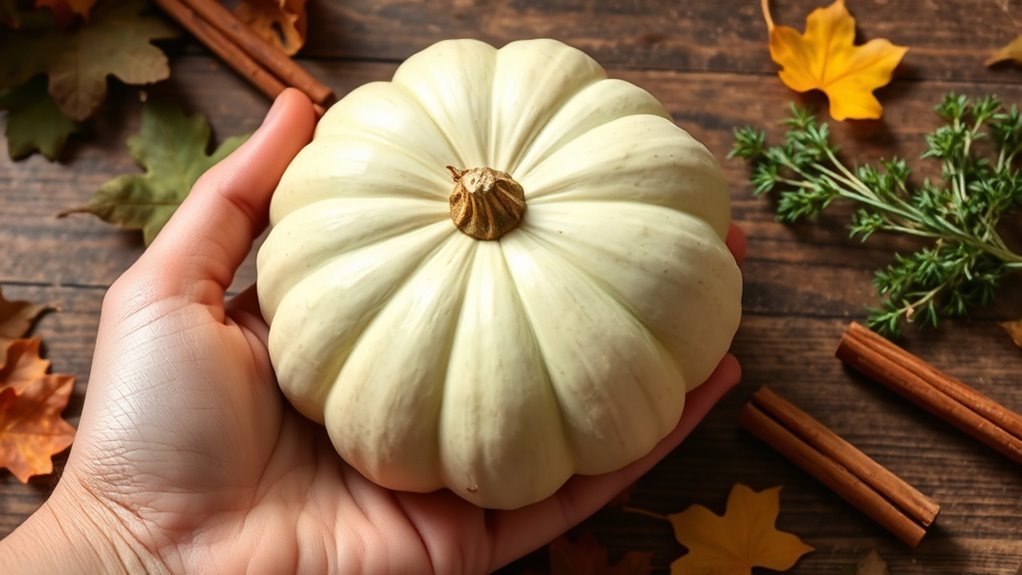
When selecting Autumn Frost squash, choose ones that feel heavy for their size and have firm, unwrinkled skin. This usually means denser, sweeter flesh inside.
Pick Autumn Frost squash that feels heavy and has firm, smooth skin for the sweetest, densest flesh inside.
Look for a hard, matte rind free from soft spots, deep cuts, or mold. Bruises often indicate internal spoilage, so keep an eye out for those.
Opt for medium-sized squash weighing between 2 to 6 pounds. They cook more evenly than larger ones, which is always a plus.
Check the stem too—a dry, corky stem signals maturity and better storage life. On the other hand, a green or soft stem may mean the squash isn’t ripe yet.
Once you’ve picked your perfect Autumn Frost, store uncut squash in a cool, dry, well-ventilated place at 50–55°F. Only refrigerate it after cutting to maintain freshness for up to 2–3 months.
Preparing the Squash for Roasting
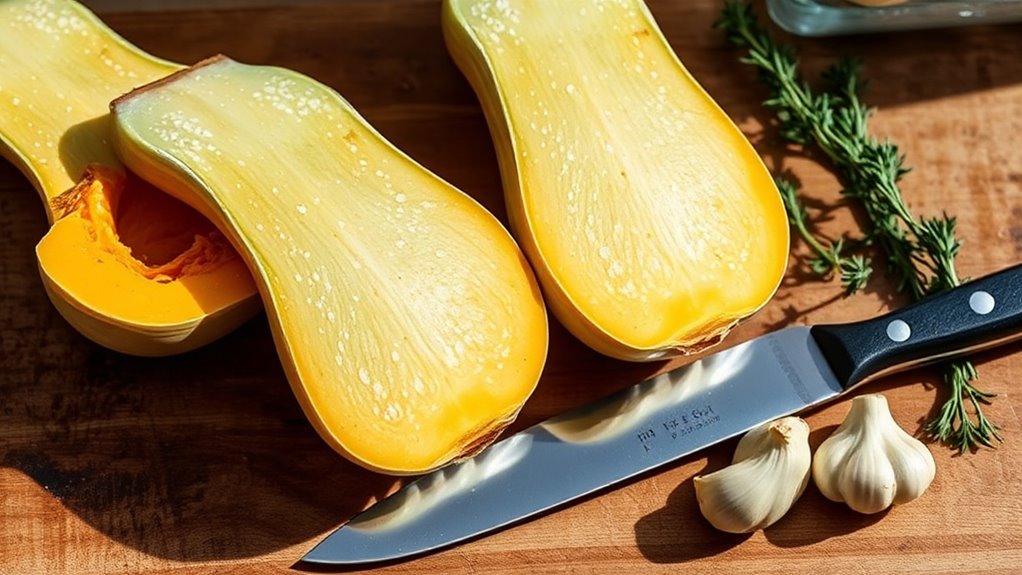
After selecting your ideal Autumn Frost squash, it’s time to prepare it for roasting. First, preheat your oven to 425°F (220°C) to guarantee high heat for caramelization and even cooking.
Wash the squash thoroughly, then cut it lengthwise from stem to base. Remove the seeds and stringy cavity with a spoon.
For a moist, quicker roast, place the halves flesh-side down on a rimmed baking sheet. If you prefer browning and a firmer texture, peel the squash if it has thick skin, then cut into ½” to 1″ cubes or wedges.
For thin-skinned varieties, leave the skin on and slice into rounds or crescents about an inch thick. Roast until the flesh is tender when pierced with a fork, usually 20–40 minutes depending on the cut.
Halving and Scooping Seeds
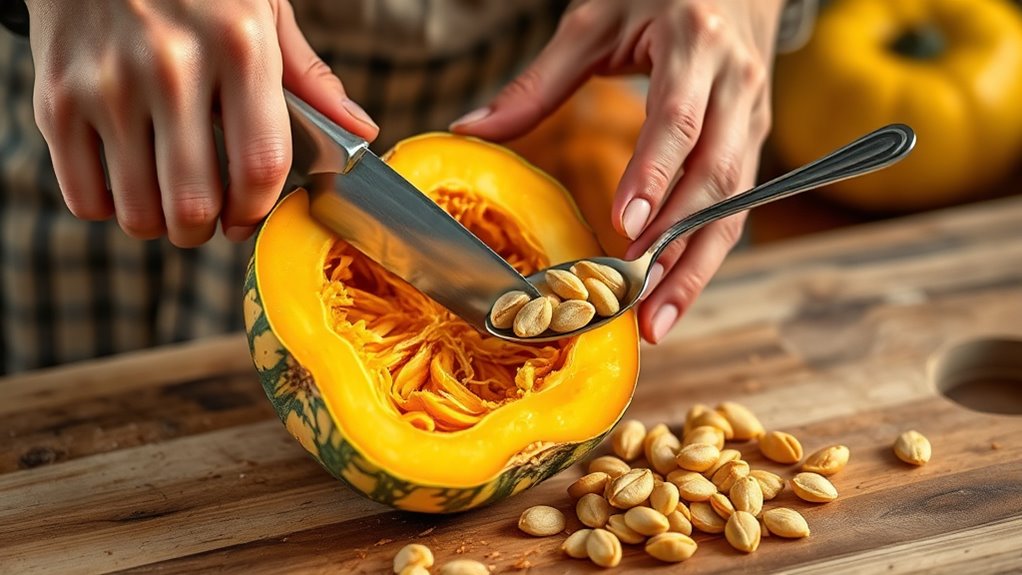
Start by setting your squash firmly on a stable cutting board, then slice it lengthwise from stem to base using a sharp chef’s knife with a rocking motion. If needed, tap the knife gently into the stem to start the cut.
To stabilize the halves while scooping, cut a thin slice from the bottom so they sit flat. Use a sturdy spoon to scrape out the seeds and stringy pulp, working around the central cluster until the cavity is clean.
If you plan to roast the squash cut-side down, leave the cavity slightly rough to hold any aromatics or oil. Collect the seeds in a bowl if you want to roast them separately—rinse, dry, toss with oil and salt, and roast at 325–350ºF until crisp.
Seasoning and Flavor Enhancements
You can elevate your autumn frost squash with a mix of herbs and spices like thyme, smoked paprika, or cumin to add savory warmth.
If you prefer something sweeter, try drizzling maple syrup or honey and finishing with a pinch of cinnamon.
Balancing sweet and savory flavors lets you customize the dish to your taste every time.
Herb and Spice Blends
Elevate your Autumn Frost squash by experimenting with herb and spice blends that bring out its natural sweetness and earthiness. For a classic savory touch, toss the squash cubes with olive oil, kosher salt, black pepper, and dried thyme before roasting.
To capture fresh herb aromas, add chopped sage or rosemary and minced garlic in the last 8–10 minutes to prevent bitterness. If you want warm, sweet-spicy notes, blend brown sugar or maple syrup with cinnamon, nutmeg, and a pinch of cayenne, then coat the squash.
For an umami punch, drizzle soy sauce or diluted miso paste with sesame oil and sprinkle toasted sesame seeds after roasting. Finally, brighten the dish with lemon or orange zest and a dash of fresh parsley or chives for color and lift.
Sweet and Savory Options
While roasting Autumn Frost squash, consider sweet and savory seasoning options that enhance its natural flavor. For sweetness, toss the squash with maple syrup and cinnamon.
To go savory, coat cubes with olive oil, salt, pepper, and rosemary. You can also try a spicy-sweet glaze with soy sauce, honey, gochujang, and sesame oil.
For a nutty finish, add browned butter, toasted nuts, and sea salt. Or blend cooked squash with butter, cream, nutmeg, salt, and pepper for a savory mash.
| Flavor Profile | Ingredients | Cooking Tip |
|---|---|---|
| Sweet | Maple syrup, cinnamon | Roast at 425°F for 25 minutes |
| Savory | Olive oil, salt, pepper, rosemary | Roast until golden, 25–35 minutes |
| Spicy-Sweet Glaze | Soy sauce, honey, gochujang, sesame oil | Toss with hot squash to caramelize |
| Nutty Finish | Browned butter, toasted nuts, sea salt | Add after roasting for contrast |
Roasting Techniques for Optimal Texture
You’ll get tender, moist squash by roasting halved Autumn Frost squash cut-side down, which traps steam and shortens cooking time.
If you want caramelized edges and faster roasting, cube the squash, toss with oil and seasoning, then spread it out for even browning.
Choosing between these methods depends on whether you want soft flesh for purees or crisp, flavorful pieces for salads and sides.
Halved Roasting Benefits
Halving an Autumn Frost squash before roasting releases a moist, tender texture that’s perfect for scooping or pureeing. To get the best results, follow these steps:
- Cut the squash lengthwise and place it cut-side down on a rimmed sheet pan at 425°F. This traps steam and cooks evenly.
- Check for doneness after 20 minutes; it usually takes 30–40 minutes. The skin should puff, and a fork should pierce easily.
- Lightly oil the flesh and season the outside or cavity before flipping to encourage browning around the edges.
- Remove seeds before roasting; if stuffing, return filled halves to the oven briefly to meld flavors without overcooking.
Using a hot oven and rimmed pan keeps juices contained and yields perfect scoopable flesh. Easy, right? Just a few simple steps and you’re set!
Cubed Roasting Tips
Cubing Autumn Frost squash offers a different roasting experience that highlights crisp edges and tender centers. Start by preheating your oven to 425°F and cutting the squash into even ½ to 1-inch cubes to guarantee uniform roasting.
If your squash has a thick skin, peel it; otherwise, leave the thin skin on for extra texture. Toss the cubes in 1–2 tablespoons of olive oil per pound, season with salt, pepper, and any spices you like, then spread them out in a single layer on a rimmed sheet pan.
Roast for 20 minutes, shake or turn the cubes, then roast another 10–15 minutes until caramelized and fork-tender. For moister cubes, roast cut-side down initially; for crispier edges, keep them oil-side down throughout.
Checking for Doneness
Although roasting times vary based on size and thickness, start checking for doneness around 20 minutes for smaller pieces and 25–30 minutes for larger cuts. To make certain your Autumn Frost squash is perfectly cooked, follow these tips:
Insert a fork or paring knife; it should pierce easily with little resistance, and the flesh near the skin should flake.
For halves roasted cut-side down, look for slightly puffed skin and a glossy, tender cavity when flipped.
Cubes or wedges are done when edges caramelize and brown, and centers are uniformly soft.
If mashing or pureeing, scoop a spoonful; it should mash smoothly without stringiness—if not, roast a bit longer.
This approach guarantees tender, flavorful squash every time.
Using Cooked Squash Flesh
Once your Autumn Frost squash is tender and easy to pierce with a fork, scoop out the flesh to use immediately or store it for later. You can mash or puree the warm flesh right away for soups, pies, or gnocchi.
For a smooth texture, press it through a food mill or blend with a bit of water or stock, then strain if needed. Use about 1 to 1¼ cups of cooked squash to replace a 15-ounce can in recipes or 2 cups for a 9-inch pie filling.
You can fold 1–2 cups of cubed or mashed squash into pasta or risotto near the end of cooking, or mash it with butter and seasoning as a side. To stuff veggies, mix warm squash with grains and cheese, then bake again to meld flavors.
Creative Serving Suggestions
Bring out the rich, nutty flavor of Autumn Frost squash by folding its tender flesh into hot pasta tossed with browned butter, sage, and Parmesan. You can also explore these creative ideas:
Cube roasted squash and toss with kale, farro, toasted pecans, and maple-mustard vinaigrette for a filling grain salad perfect for lunches. It’s a great way to add some hearty texture to your midday meal.
Hollow slightly underdone smaller halves, stuff with quinoa, goat cheese, cranberries, and toasted walnuts, then bake to meld flavors. This makes a lovely, flavorful dish that’s both comforting and elegant.
Mash roasted squash with cream, nutmeg, and salt to spread on sandwiches or use as a pizza sauce base. It’s a delicious twist that adds a cozy vibe to your usual favorites.
Puree cooked squash and freeze in portions to enrich soups, stews, or baked goods later. Having these ready-made portions on hand is super handy for quick meals.
These serving ideas highlight versatility and deepen the squash’s warm, autumnal appeal. Give them a try and enjoy the cozy flavors of the season!
Storage and Freezing Tips
After enjoying creative ways to serve Autumn Frost squash, you might want to keep some on hand for later use. Cook and cool the squash completely, then scoop or puree the flesh.
Once cooked and cooled, scoop or puree Autumn Frost squash to save for delicious future meals.
Pack it into airtight, freezer-safe containers or heavy-duty resealable bags, leaving about ½ inch of headspace for expansion. Don’t forget to label each container with the variety and date.
For easy thawing, portion the puree into 1- or 2-cup amounts or freeze small portions in ice cube trays. Try to remove as much air as possible to prevent freezer burn—using a straw or vacuum sealer works great.
You might also want to double-wrap containers if your freezer temperature fluctuates. When you’re ready to use it, thaw overnight in the fridge or warm gently before stirring and adjusting seasoning or thickness with water or stock for soups, sauces, or baking.
Frequently Asked Questions
Is the Skin on Autumn Frost Squash Edible?
Yes, the skin on Autumn Frost squash is edible and softens when roasted at 425°F. You can leave it on for roasting.
But if the skin feels tough, you might want to peel it. It’s also a good idea to peel it if you want smoother purees and fillings.
What’s the Difference Between Butternut Squash and Autumn Squash?
You might think butternut squash is the diva of autumn squash, flaunting its smooth tan skin and sweet orange flesh.
But autumn squash? It’s the whole ensemble cast—acorn, kabocha, delicata—each with its own quirky personality and texture.
How Long Do You Cure Winter Squash?
You should cure winter squash for 7 to 14 days in a warm, dry, well-ventilated spot around 80–85°F.
If you can’t, cure it for at least 3 to 7 days at the highest available temperature.
What Does a Winter Squash Taste Like?
You’ll find winter squash tastes sweet and nutty, with earthy, chestnut-like notes. Its texture varies from creamy to velvety.
Roasting deepens caramelized flavors, making it perfect for butter, spices, or savory sauces. It’s really versatile and delicious!
Conclusion
Now that you’ve mastered selecting, prepping, and roasting your autumn frost squash, isn’t it amazing how a simple vegetable can transform into a flavorful, comforting dish?
Whether you’re mashing the tender flesh, adding it to soups, or serving it as a side, you’ve revealed endless possibilities.
Remember, proper storage keeps your efforts fresh for later enjoyment.
So, why settle for ordinary when you can savor the extraordinary taste of autumn frost squash? Cooking autumn frost squash opens up a world of delicious recipes that highlight its natural sweetness and creamy texture. From roasting to pureeing, each method brings out unique flavors that elevate your meals. Embrace the versatility of autumn frost squash, and enjoy this seasonal gem in soups, stews, or as a hearty side dish. With the right preparation and storage, you’ll keep your autumn frost squash fresh and flavorful for days to come. Give this recipe a try, and let the rich taste of autumn frost squash brighten your table!