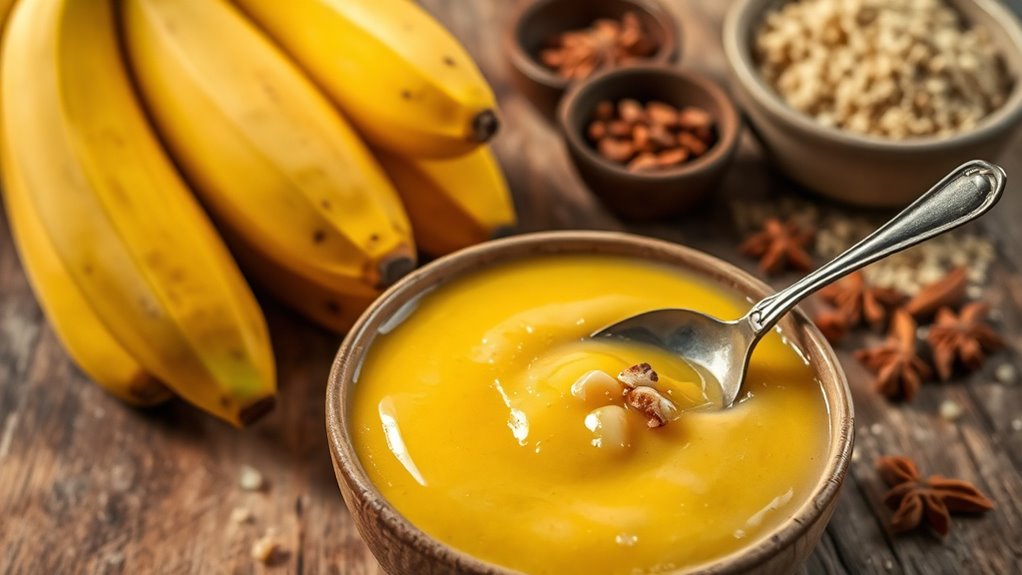
10 Easy Steps for a Delightful Banana Sheera Recipe
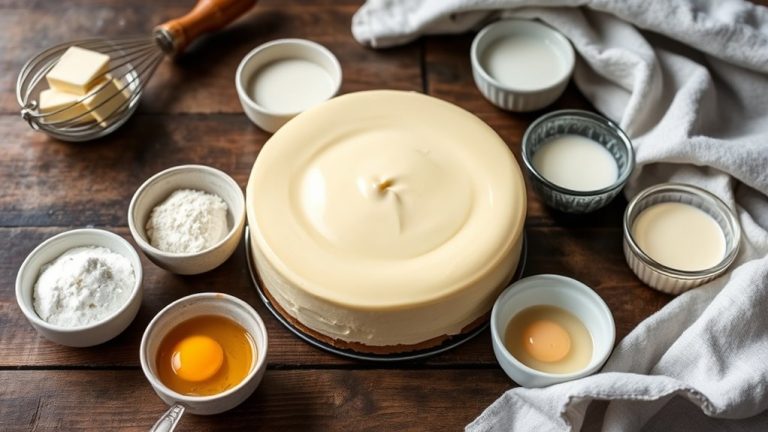
Start by gathering ripe bananas, semolina, ghee, sugar, milk, and water. These ingredients come together to create a delicious and comforting banana sheera.
Peel and mash 2–3 ripe bananas until smooth.
Next, heat ghee in a pan and roast the semolina until it turns golden and fragrant. This step brings out a nutty flavor that’s essential for the perfect sheera.
Gradually stir in hot milk and water to avoid lumps, creating a silky base.
Now, fold in the mashed bananas along with a bit more ghee. Let the mixture simmer gently until it becomes thick and glossy.
Serve your banana sheera warm, garnished with nuts and a sprinkle of cardamom for that extra burst of flavor.
Keep going to discover tips that make your banana sheera irresistibly creamy and smooth!
Key Takeaways
- Roast 1 cup semolina in ghee on medium heat until light golden and aromatic. Keep stirring constantly to avoid burning.
- Warm 1¼ cups milk and ½–1 cup water separately. Then, add the hot liquids gradually to the roasted semolina while stirring continuously.
- Mash 2–3 ripe bananas, but keep them slightly chunky. Fold them gently into the semolina mixture after the liquid is absorbed.
- Add 3–4 tablespoons ghee near the end along with the bananas. Then, simmer gently for 6–10 minutes until thick and glossy.
- Serve warm in pre-warmed bowls. Garnish with roasted nuts, raisins, cardamom powder, and a drizzle of hot ghee.
Gather All Ingredients
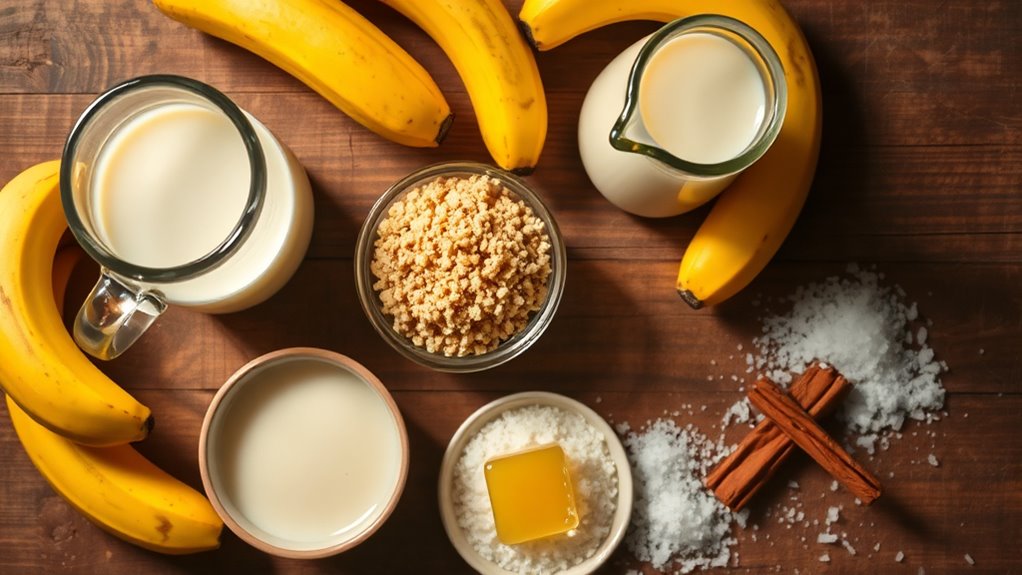
Before you begin cooking, gather all your ingredients to guarantee a smooth process. Measure out 1 cup of roasted semolina (rava or sooji) as the base for your banana sheera.
Peel and mash 2 medium ripe bananas, which should yield about 1 to 1¼ cups of mashed fruit. This adds natural sweetness and flavor.
Keep 1¼ to 1½ cups of hot milk and ½ to 1 cup of hot water ready to pour into the roasted semolina. This ensures proper cooking and texture.
Have 3–4 tablespoons of ghee and ¾ to 1 cup of sugar on hand, adjusting to your taste. For extra flavor, prepare ¼ teaspoon of cardamom powder and a tablespoon of chopped nuts or raisins for garnish.
This preparation sets you up for a hassle-free cooking experience. Easy, right?
Prepare Ripe Bananas
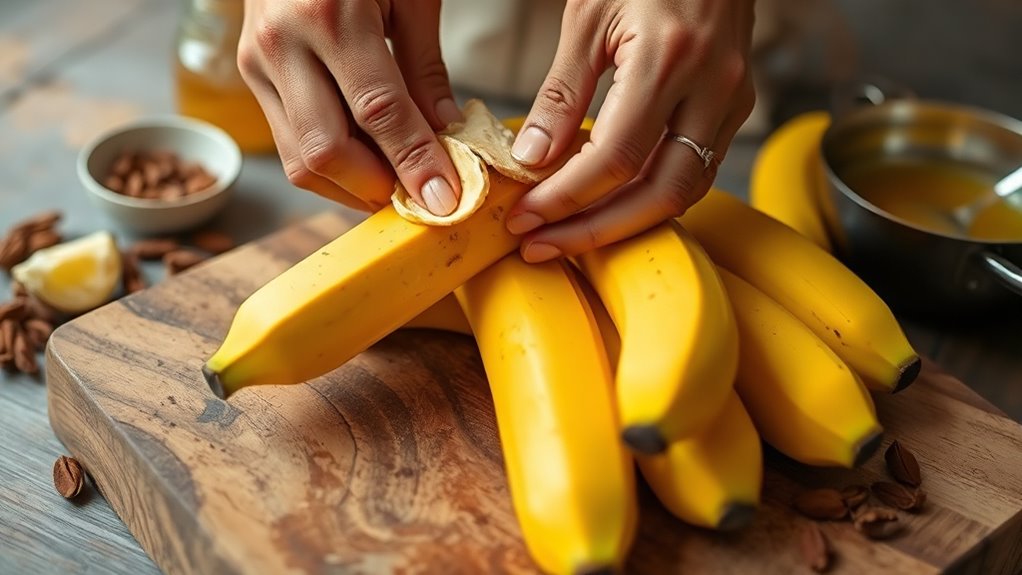
Start by choosing ripe bananas with yellow skins and brown speckles—they’ll give your sheera the perfect sweetness and texture. Use medium to large bananas and peel them carefully before mashing or blending into a smooth pulp.
If your bananas are too watery, drain the excess liquid to keep your sheera from becoming too thin. This way, you’ll get just the right consistency every time.
Selecting Ripe Bananas
When selecting bananas for your sheera, look for bright yellow skins with a few brown speckles—they indicate sweetness and mash easily for a smooth texture. Avoid overly green bananas since they’re starchy and under-ripe, and steer clear of very blackened ones, which can taste fermented.
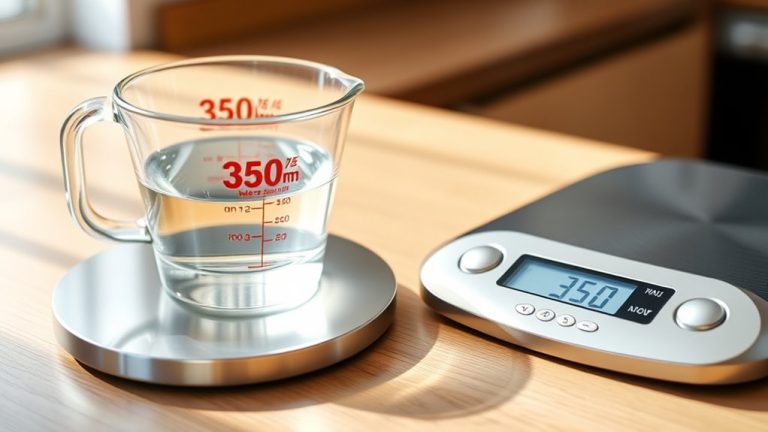
Gently press the banana skin; ripe fruit yields slightly without feeling mushy, signaling it’s perfect for halwa. Typically, you’ll need 3 to 4 medium ripe bananas, which amount to about 2 cups mashed or 350–450 grams peeled weight.
If your bananas are a bit underripe, place them in a paper bag at room temperature with an apple or another ripe banana for one to two days. This simple trick speeds up ripening, ensuring your sheera gets the best flavor and texture.
Preparing Bananas Properly
To get your banana sheera just right, pick fully ripe bananas with brown speckles or a soft feel—these will mash smoothly and bring out maximum sweetness. Peel the bananas right before you use them to avoid browning and flavor loss.
Mash them with a fork or potato masher, aiming for about 1/2 to 3/4 cup of mashed banana per cup of semolina. You can mash them completely smooth or leave some chunks for texture.
If your bananas aren’t ripe enough, microwave them whole for 20–30 seconds or roast until the skins darken. This softens the fruit and intensifies sweetness.
Add the mashed bananas after roasting the semolina and mixing in hot milk or water. That way, the fruit blends well without curdling or thinning your sheera.
Heat Ghee in Pan
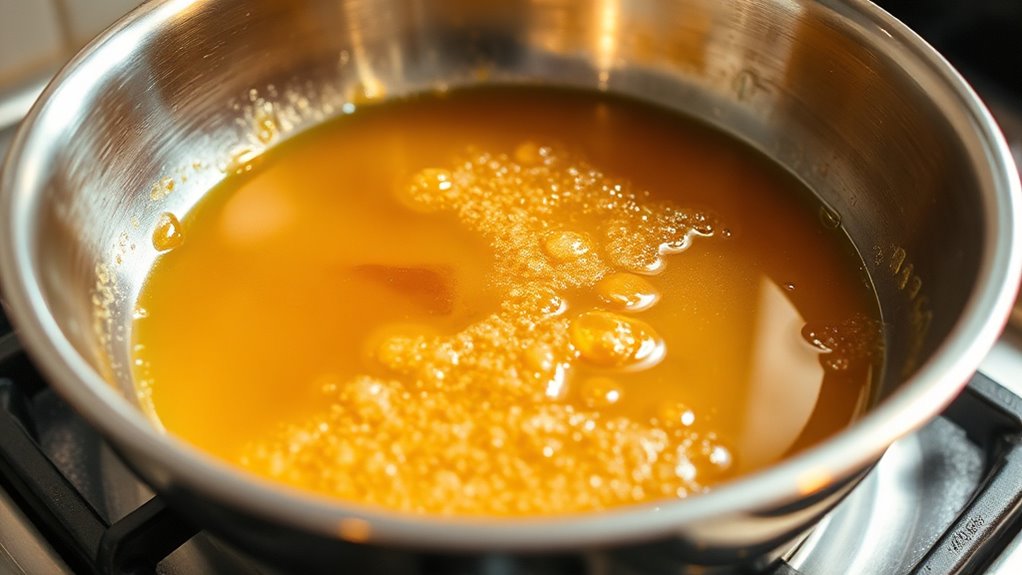
Start by choosing high-quality ghee for the best flavor in your Banana Sheera. Heat 2–3 tablespoons over medium heat until it shimmers, keeping the temperature steady to avoid burning.
Adjust the quantity if you want a richer taste, but always watch the heat closely. It’s super important to keep an eye on it so your ghee doesn’t burn.
Choosing Quality Ghee
Select unsalted, pure cow or buffalo ghee to bring out the authentic aroma and flavor in your banana sheera. The right ghee really makes a difference—it enhances the taste and guarantees a perfect texture.
Use about 1–3 tablespoons for 1 cup of semolina, and feel free to adjust depending on how rich you want it.
| Ghee Type | Flavor Profile | Recommended Quantity (per 1 cup semolina) |
|---|---|---|
| Cow Ghee | Mild, creamy | 1–3 tablespoons |
| Buffalo Ghee | Rich, intense aroma | 1–3 tablespoons |
| Unsalted | Pure, no added salt | Essential for balanced flavor |
| Pure | No additives | Guarantees authentic taste |
| Heavy-bottomed Pan | Even heating | Use for melting ghee |
When you’re ready, pick quality ghee and melt it evenly over medium heat. This creates the perfect base for roasting your semolina.
Optimal Heating Temperature
When heating ghee in a heavy-bottomed pan, keep the temperature steady at medium heat—around 160–175°C (320–347°F)—so it melts smoothly without smoking. You’ll know the pan is just right when the ghee shimmers and gently sizzles.
At this point, reduce the heat to medium-low to avoid browning the semolina too fast. If you notice the ghee starting to brown or giving off a nutty aroma, lower the heat immediately to prevent burning and aim for a light golden roast.
Maintaining a steady, moderate temperature assures the semolina toasts evenly within 6–8 minutes without sticking. You can test the temperature by dropping a tiny bit of ghee—if it bubbles lightly but doesn’t smoke, you’re set to add your semolina.
Ghee Quantity Tips
A few tablespoons of ghee make all the difference in your banana sheera’s texture and flavor. For a standard 2-cup semolina batch, start with 3 to 4 tablespoons of ghee to achieve that rich, traditional taste.
Heat the ghee in the pan until it shimmers and becomes slightly foamy—this guarantees even roasting and prevents sticking. If you want a lighter sheera, reduce the ghee to 2 tablespoons; for a richer version, especially with bananas adding moisture, increase it to 5 or 6 tablespoons.
Fry nuts and raisins in the hot ghee until golden to infuse flavor. Roast the semolina on medium heat, stirring constantly for 6 to 8 minutes until it’s aromatic and light golden, avoiding any burning.
Roast Semolina Until Aromatic
Heat a heavy-bottom pan over medium heat and add the semolina, stirring constantly for 6 to 8 minutes until it turns light golden and releases a nutty aroma. Use 2–3 tablespoons of ghee per cup of semolina to enhance flavor and help the grains stay glossy and separate.
Keep the semolina moving with a spatula to avoid uneven browning; you want an even, light golden color, not dark brown spots. If the pan gets too hot, just reduce the heat to low and continue roasting for 8–10 minutes to deepen the aroma without burning.
To test doneness, rub a pinch between your fingers—it should feel drier and smell toasty. Proper roasting is key to a flavorful, well-textured Banana Sheera.
Warm Milk and Water Separately
You’ll want to bring both milk and water to just below boiling separately before adding them to the roasted semolina. Heat milk to a gentle simmer to avoid lumps and guarantee smooth absorption.
Boil water until very hot to quickly loosen the semolina and cut down cooking time. Keep these liquids in separate pans for best results.
| Liquid | Temperature Goal | Purpose |
|---|---|---|
| Milk | Just below boiling | Prevent lumps, enrich flavor |
| Water | Near boiling | Loosen semolina, reduce cooking time |
| Both | Heated separately | Control texture and cooking process |
Handle hot liquids carefully to avoid splattering and clumping during addition. It’s a simple step, but it really makes a difference!
Slowly Add Hot Liquids to Semolina
Make sure your milk and water are hot before adding them to the roasted semolina to prevent lumps and help it absorb smoothly.
Pour the liquids slowly in small amounts while stirring constantly to keep the texture even.
Taking your time with this step guarantees your sheera turns out creamy and perfectly cooked.
Importance of Hot Liquids
Slowly adding hot liquids to roasted semolina guarantees a smooth, lump-free sheera by letting the granules absorb moisture evenly. When you pour hot milk or water gradually, the semolina swells uniformly, preventing clumps and ensuring a creamy texture.
Hot liquids also speed up cooking by jump-starting starch gelatinization, so your sheera turns out rich and silky. Adding cold liquid can cause lumps and uneven cooking, so it’s best to warm any chilled milk or water before use.
Plus, hot liquids minimize sputtering and splattering when they meet the hot semolina, making the process safer and cleaner for you. Keep stirring constantly as you add the liquid to maintain an even temperature and perfect consistency throughout your delightful banana sheera.
Gradual Liquid Addition
When adding hot liquids to the roasted semolina, take your time and pour them in steady, small increments. This careful approach helps the semolina absorb the liquid evenly, preventing lumps and ensuring a smooth texture.
Here’s how to nail it:
- Always use milk and water that’s just off the boil to avoid clumping.
- Add liquids in 1/4 to 1/3 cup portions, waiting for full absorption before adding more.
- Stir continuously with a whisk or spatula to keep the mixture lump-free.
- Keep the heat medium-low so the semolina simmers gently without burning.
Stop adding liquid once the mixture is soft and slightly loose—it will thicken as it cools. This method guarantees a silky, perfectly cooked banana sheera every time.
Stir Continuously to Avoid Lumps
Always keep the semolina moving with a wooden spoon or spatula while roasting and adding hot liquids to prevent lumps from forming. Stir vigorously in a steady, circular motion across the pan, ensuring the wet semolina absorbs liquid evenly instead of clumping in the center.
Pour hot milk or water in a thin, slow stream while stirring to allow gradual incorporation and avoid sudden gelatinization that causes lumps. If you spot any lumps forming, press them against the pan’s surface with the back of your spoon and break them up immediately rather than stirring around them.
Maintain medium heat and keep stirring for several minutes after adding liquids until the mixture thickens smoothly and feels free of grainy bits. This attentive stirring guarantees a silky, lump-free sheera base.
Mix in Mashed Bananas
Once you’ve roasted the semolina and stirred in the hot milk or water, fold in the mashed bananas to bring a natural sweetness and texture to your sheera. Use 2–3 ripe bananas, mashed until smooth but still slightly chunky to keep some texture.
Fold in ripe mashed bananas after roasting semolina for natural sweetness and delightful texture in your sheera.
Add them along with ghee near the end to enhance aroma and prevent the fruit from breaking down too much. Stir continuously to avoid lumps and cook on low heat for 3–5 minutes so the moisture blends and the raw banana flavor mellows.
- Choose fully ripe bananas with brown speckles for maximum sweetness
- Mash bananas just enough to retain a bit of chunkiness
- Incorporate bananas after roasting semolina and adding hot liquid
- Stir well and cook briefly to integrate flavors without overcooking
Simmer Until Thickened
After folding in the mashed bananas and ghee, lower the heat and let the sheera simmer gently. Keep the heat on low to medium-low to make certain the semolina absorbs the liquids evenly without lumping.
Stir frequently to avoid the bottom browning and to maintain a smooth texture. Simmer for 6–10 minutes until the mixture thickens and starts pulling away from the pan’s sides.
If it thickens too fast, add a tablespoon or two of hot milk or water and continue simmering briefly. The sheera is ready when it’s soft, glossy, and coats the back of a spoon, remembering it will thicken more as it cools.
Serve Warm With Optional Garnishes
To enjoy sheera at its best, serve it warm—around 50 to 60°C—right after cooking. This way, you can savor its soft texture and the rich aroma of ghee and roasted semolina.
Spoon the sheera into pre-warmed bowls or cups to keep it creamy and prevent it from cooling too quickly.
Enhance the dish with optional garnishes to add texture and flavor:
- Sprinkle roasted cashews and sliced almonds for a satisfying crunch.
- Add a few raisins lightly fried in ghee for natural sweetness.
- Drizzle about a teaspoon of hot ghee or dust with cardamom powder for extra aroma.
- Top with thin banana slices or a dollop of mashed banana to boost the banana flavor.
Serving it this way makes every bite deliciously memorable.
Frequently Asked Questions
Can I Use Brown Sugar Instead of Bananas for Sweetness?
You can use brown sugar instead of bananas for sweetness, but it will change the texture and flavor. Bananas add moisture and natural sweetness, so adjust the sugar amount and consider adding extra liquid for balance.
Just keep in mind, swapping bananas with brown sugar means your recipe won’t have that same moist, creamy feel. You might want to tweak the liquid ingredients a bit to get things just right.
What Can I Substitute for Ghee in This Recipe?
You can substitute ghee with unsalted butter or coconut oil for a similar richness and texture. Both add a nice flavor, and you can use them in equal amounts to keep your recipe delicious and smooth.
It’s pretty easy to swap these in, and they’ll give you that buttery feel without much fuss. Just remember, the coconut oil might add a slight coconut taste, which can be a nice twist depending on your dish!
How Long Does Banana Sheera Stay Fresh Refrigerated?
Banana sheera stays fresh in your fridge for about 3 to 4 days, like a fleeting sunset you want to savor.
Is Banana Sheera Suitable for People With Gluten Intolerance?
Yes, you can enjoy banana sheera if you’re gluten intolerant since it typically uses semolina or wheat alternatives.
Just make sure the ingredients are gluten-free, and you’ll have a safe, delicious treat without worry.
Can I Add Nuts or Raisins for Extra Texture?
Why not add nuts or raisins for extra texture?
You can definitely toss in chopped almonds, cashews, or raisins to your banana sheera. They’ll give it a delightful crunch and burst of flavor you’ll love!
Conclusion
By following these simple steps, you’ll create a banana sheera that’s as comforting as a warm hug on a rainy day. Like the timeless tales of grandma’s kitchen, this dish blends tradition and love in every bite.
So, don’t just cook—craft a memory that lingers, sweet and soulful. Serve it warm, and let each spoonful remind you that sometimes, the simplest pleasures are the most unforgettable.
Banana sheera is not just a dessert; it’s a celebration of flavors and warmth. With its easy preparation and delightful taste, this recipe is perfect for any occasion. Enjoy the rich, creamy texture combined with the natural sweetness of ripe bananas, making every bite a comforting treat. Whether you’re making it for family or friends, this banana sheera recipe promises to bring smiles and create lasting memories. So go ahead, whip up this easy banana sheera and savor the joy it brings!